
Six nights on São Miguel, in the Azores. You'll read the soil, design a planting, and put it in the ground — on seven acres that were monoculture passionfruit last spring.
You'll leave with the manual we're writing as we go.
Most agroforestry courses are taught on a mature site where every difficult decision was made a decade ago and everything now looks inevitable.
We took this farm on in January 2026. Seven acres of passionfruit — seven tons a year, herbicide under the vine rows, prunings hauled off every season. We spent three months reading the land before we planted anything.
Then, in March, two storms arrived two weeks apart and killed almost the entire crop. A thriving operation became empty standing trellis inside a fortnight.
We had believed monoculture was fragile. Then we watched it.
What you'll walk into is an unfinished argument — the before still standing across the fence from the after, with the people who made every decision this year, and who still remember which ones they got wrong.
.jpg)
Ten years into a project, you've forgotten. Not the facts — the feeling of not knowing.
Which decision you agonized over for a week and shouldn't have. Which one looked trivial and cost you a season. Which piece of universal advice turned out not to matter at all.
That memory has a short half-life, and losing it is why so much expert teaching skips the steps that mattered most.
We're in month ten. It's all still sharp — and our farm manager Tiago planted his own syntropic food forest six years ago, so the long view is here too.
The beginning, taught by people who just finished it. The maturity, shown by someone who's lived it.
The reason most people never start is that it looks impossible. Twelve species. Five vertical layers. Four stages of succession. Across an acre.
You don't design an acre.
You design one meter — every species at its correct spacing, every layer filled — and then repeat it down the line. That's how we plant here, and it's the difference between a problem you can hold in your head and one you can't.
On Wednesday you'll design your meter and plant it, in ground you read on Monday. Seven teams, seven meters, seven different designs side by side, each labeled with the names of the people who drew it.
Come back in three years and see whose worked.
.jpg)
.jpg)
Everyone planting a food forest is quietly asking what happens if it goes wrong. A groomed demonstration site answers a question nobody has.
So you'll walk an orchard we planted before we understood syntropic methods, where we replace five to ten percent of the trees every year. Four years in, we've harvested one mango.
You'll see coffee planted with a canopy above it, and coffee planted without one — and design the retrofit we haven't built yet.
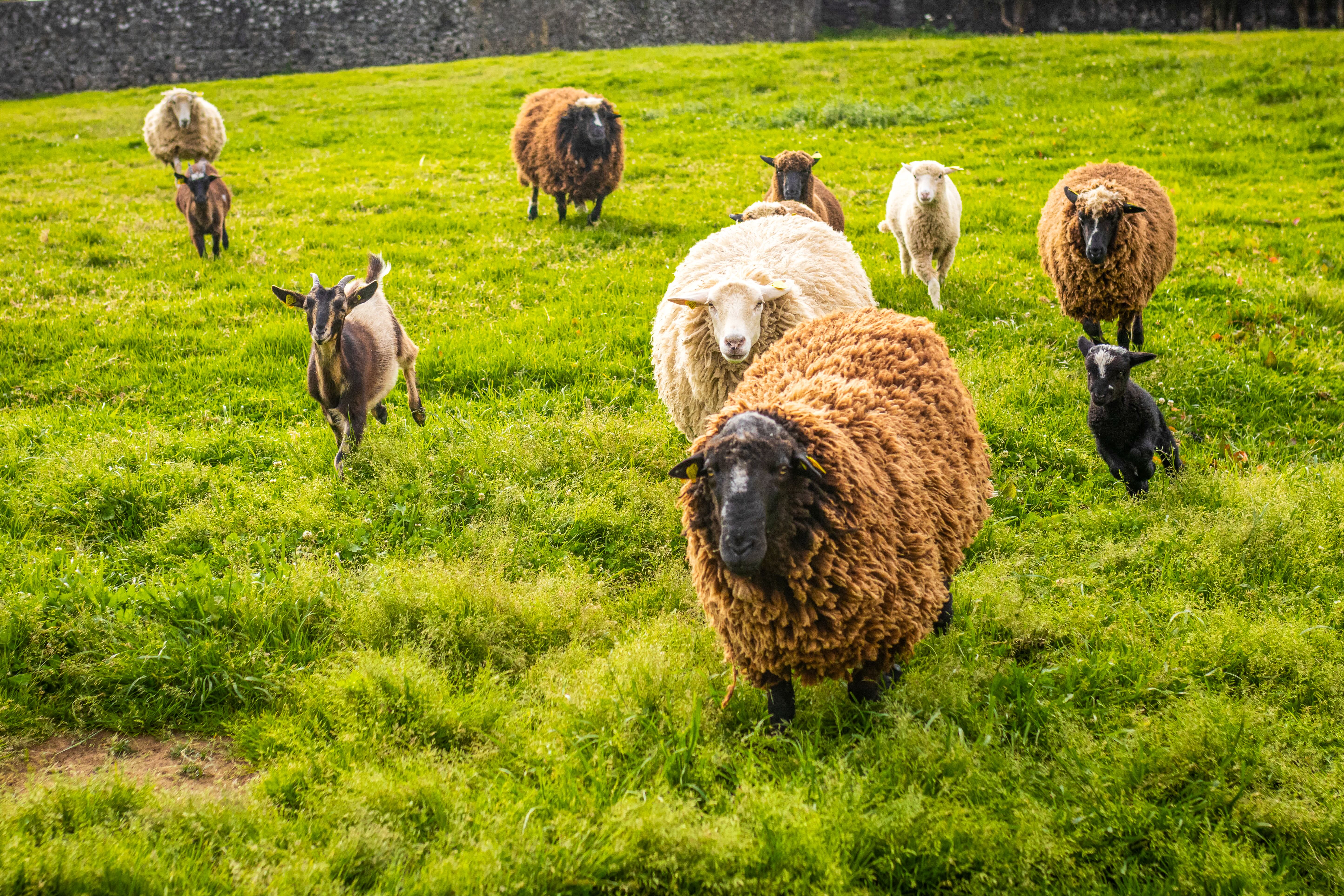
You'll stand in front of trees the goats stripped the bark from, and work out where animals belong.
And you'll hear what happened to Tiago's own six-year food forest during the twelve months he had no time for it.
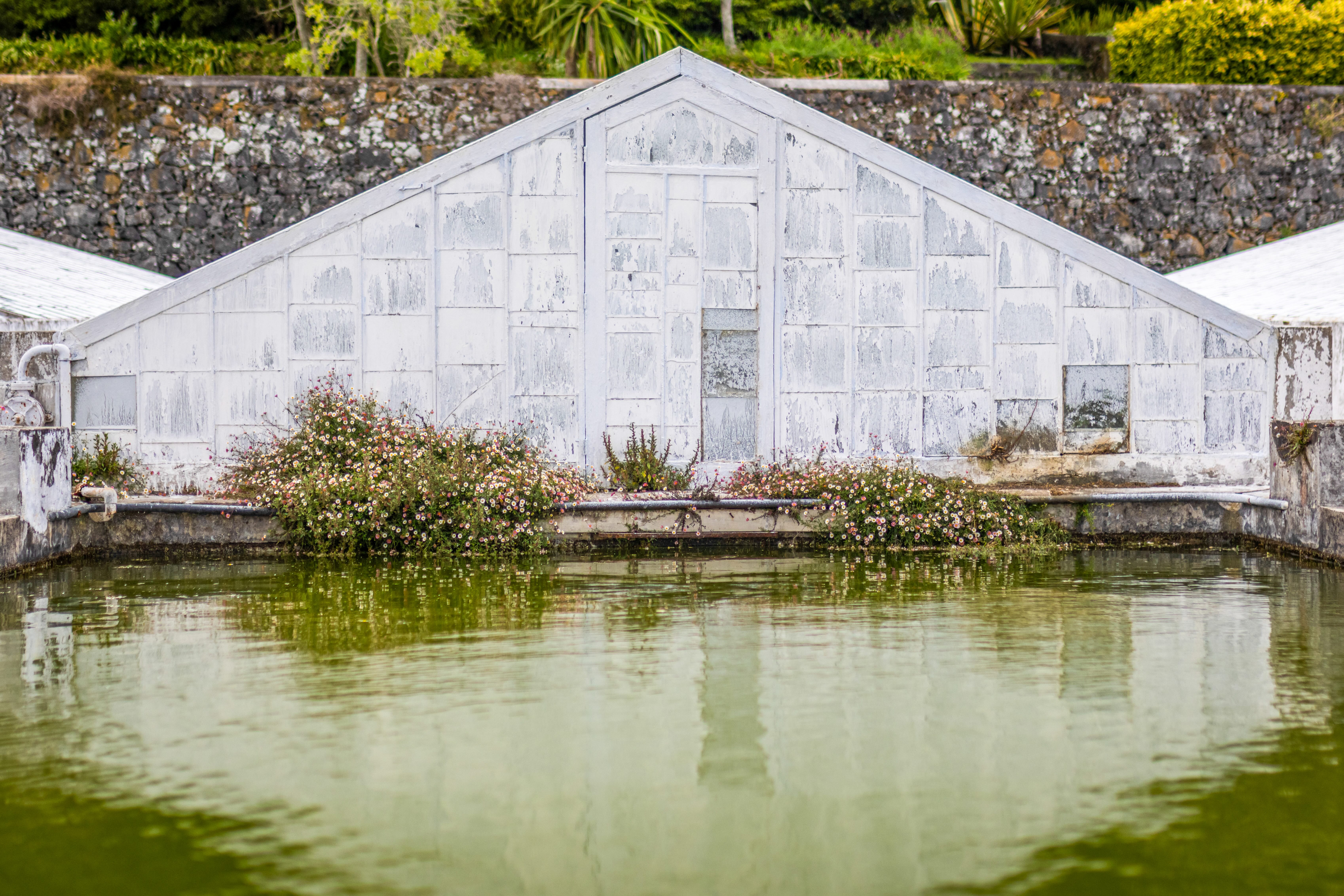
Six thousand square meters, enclosed by tall volcanic rock walls, divided into twelve equal squares.
Each square carries a different main crop — pomegranate, macadamia and walnut, orange and tangerine, Australian finger lime, mango, fig, mulberry, starfruit. Every one of them shares coffee underneath.
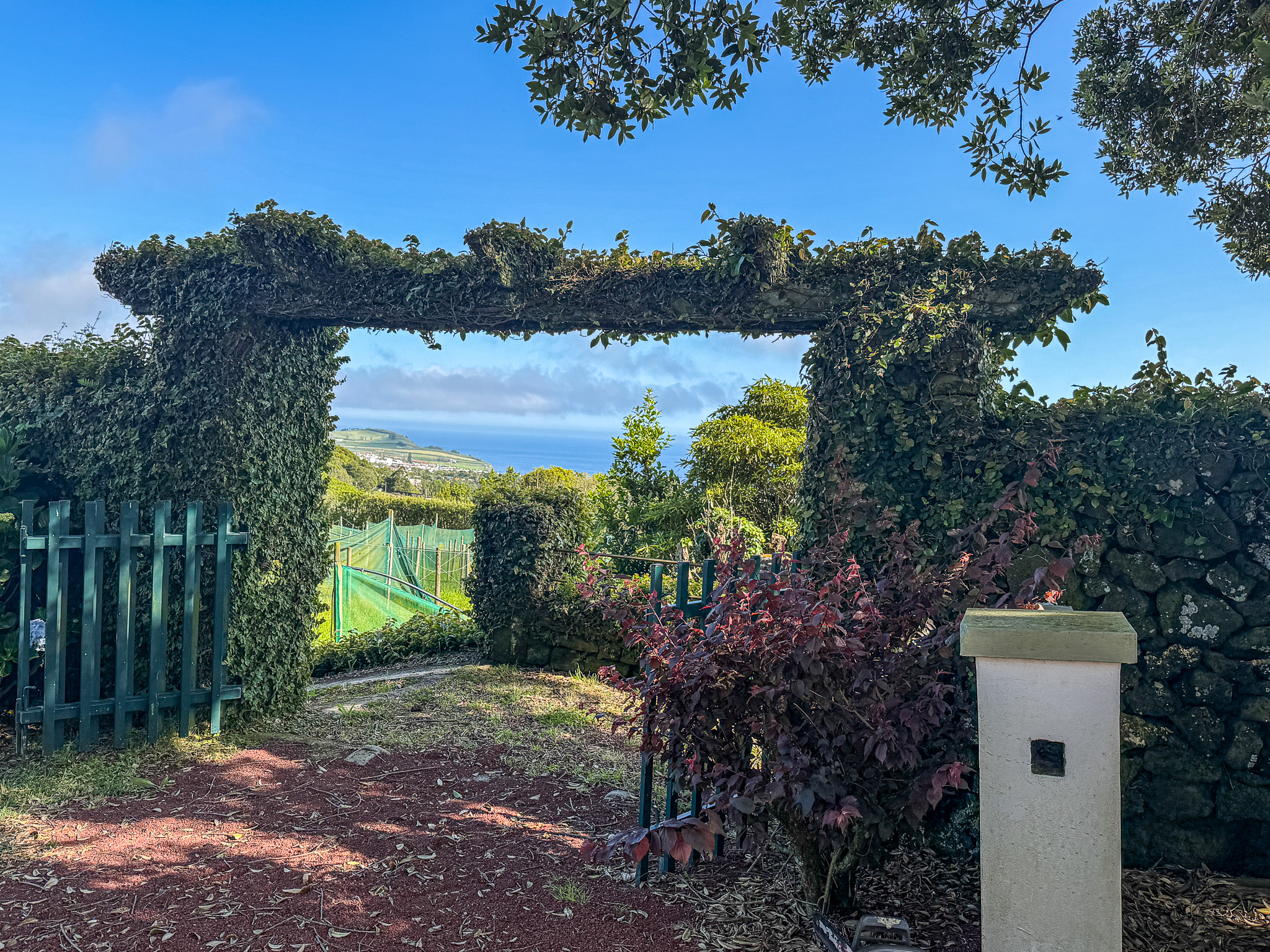
The walls are why mango grows here and nowhere else on the property. Which is the whole lesson about shelter, standing in front of you.
And the coffee is our bet: four thousand plants heading for ten thousand, on the belief that the Azores can grow the best coffee in the world.
.jpg)
Six hours a day in the field is real work. The rest of it shouldn't be.
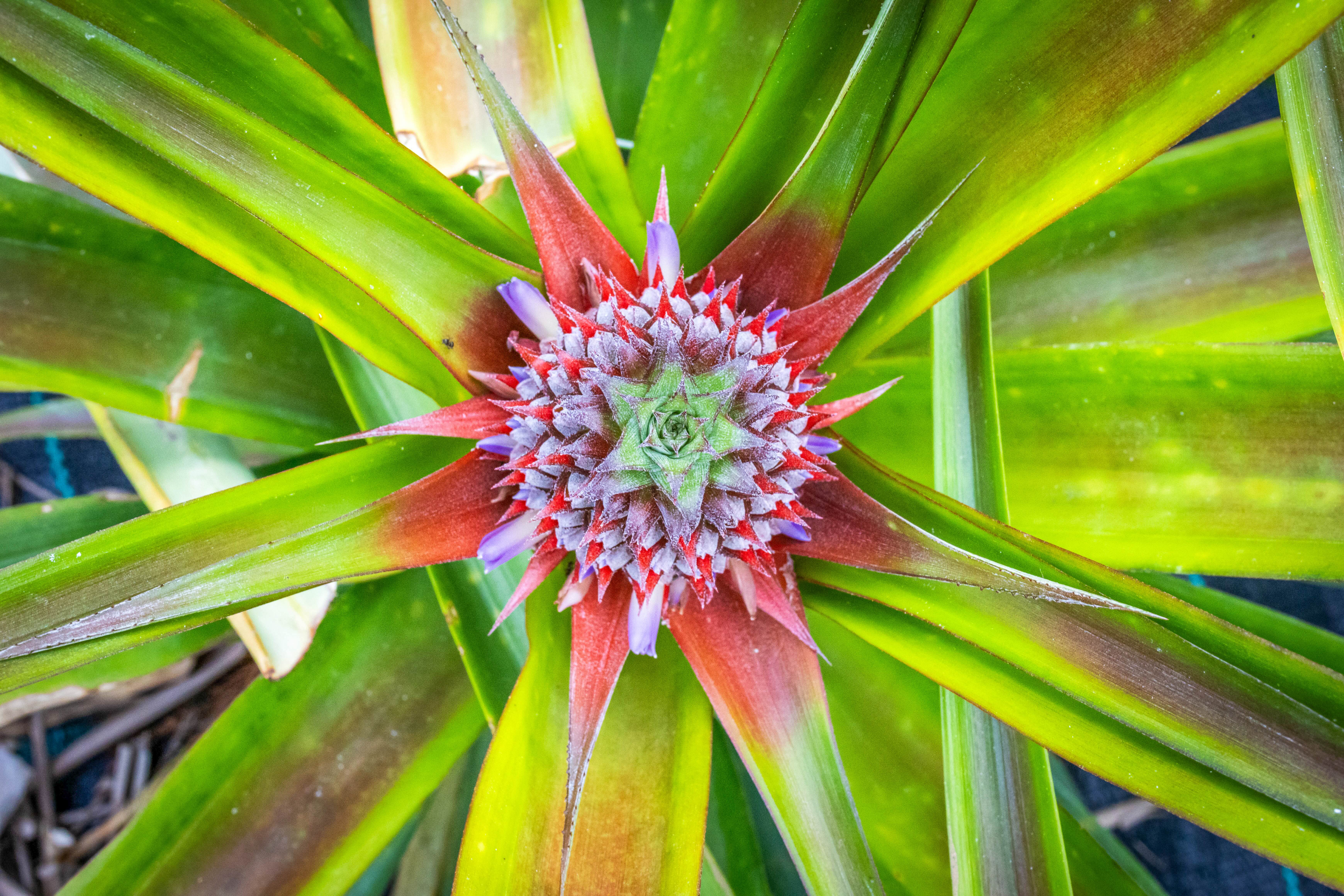
You'll stay on the estate — everyone, no shuttles between villages, one dinner table and one fire circle. The farms feed the kitchen: passionfruit, DOP Azorean pineapple, figs, cherimoya, loquat, banana, guava, grapes.
Two evenings you cook. One is a farm-to-table dinner you harvest and make together. The other is a preserving night — fermenting, canning, dehydrating, blending spice rubs — and you take the jars home.
There's a fire most nights. A local musician plays viola da terra at the last one. Somebody usually stays up too late.
A step-by-step procedure for turning land into a food forest, written by people doing it right now.
Sixty-eight steps, from standing on a hillside looking at land you're considering buying, to deciding what happens to the place after you.
Every step tells you what you're doing · why, framed as what fails if you skip it · how, with tools and timings · what it costs in hours and money · how you'll know it worked · what we did · and what we got wrong.
That last panel is the one nobody else can write.
And every step is marked with how we know it — whether we did it this year, whether Tiago did it across six years, or whether it comes from Götsch and other practitioners rather than our own hands. We'd rather tell you where our knowledge ends than write confidently about things we haven't done.
Every graduate gets every future version.
.jpg)
.jpg)
A complete design for your own land — diagnosis, amendment plan, water strategy, planting consortium with a twenty-year timeline, plant supply schedule, labor estimate and outline budget.
Eight assessed practical competencies, signed off in the field, and a certificate that means something because not everyone earns it.
Cultures and preserves you made. A tool you sharpened. A meter of trees with your name on it.
And twelve months of support: quarterly group clinics, a one-to-one design review, and a card you write on the last morning listing three things you'll do in ninety days — which we mail back to you on day ninety.
The VIVA Quinta team will teach most of the program. We will be joined by others specializing in biology, agricultural funding, real estate, and law.


It's three questions, simple: where your land is, what stage you're at, and what you're trying to solve. Anita reads every one herself and replies within two days — and if we're not the right fit for you, she'll say so.

"We absolutely loved our stay at this property and cannot recommend it highly enough. From the moment we arrived, it felt like a completely different world: a stunning luxury farmhouse nestled inside a real, living Azorean pineapple estate. The setting alone is unlike anything we've experienced.
The location is unbeatable. Seven minutes from Ponta Delgada, five minutes from the beach, and yet completely private and serene. We had the best of all worlds.
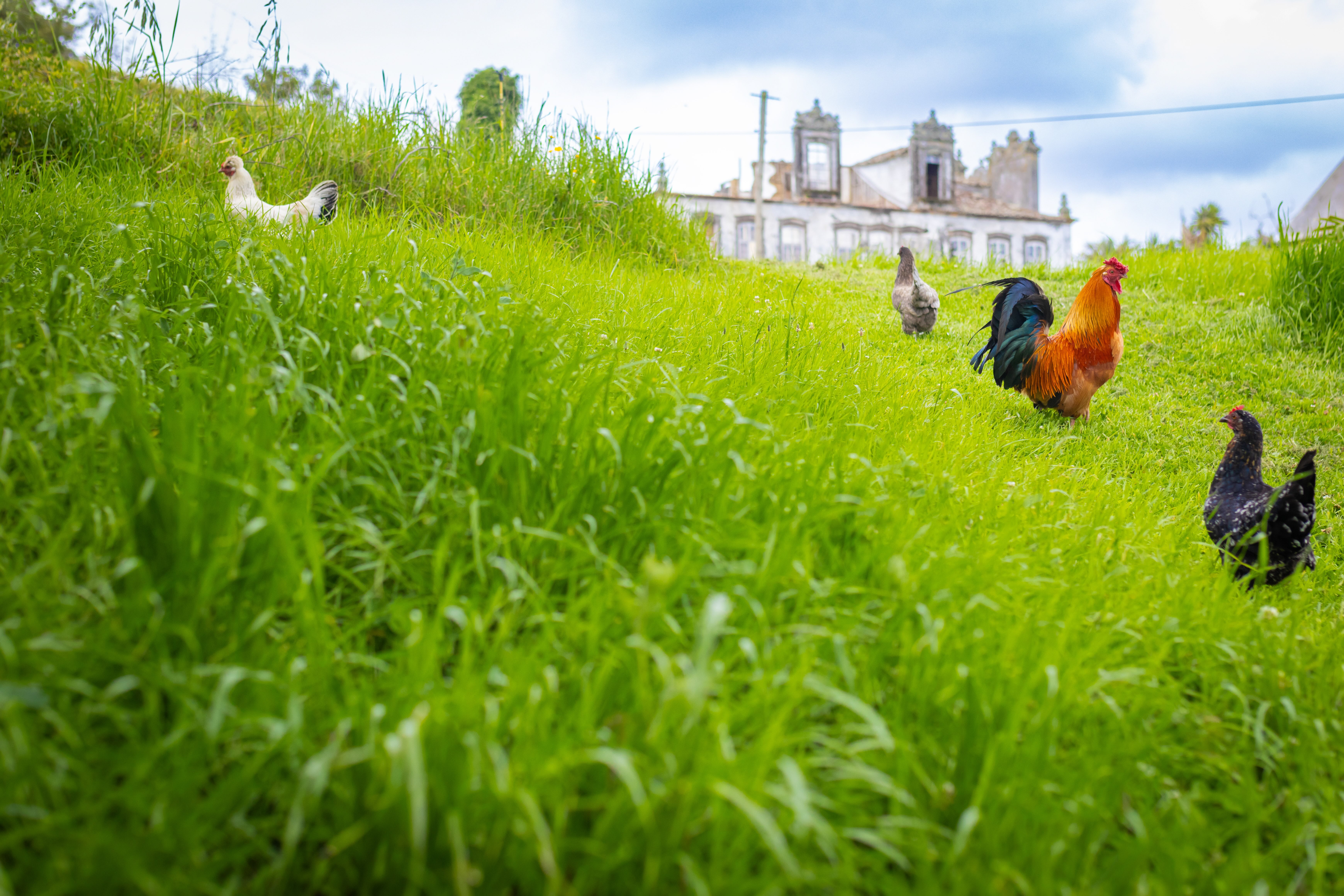
Our kids were over the moon. Waking up every morning to wander the farm, say hello to the goats and ducks, and explore the pineapple gardens made for memories they won't forget. It turned an already great vacation into something truly special.
The house itself is gorgeous and immaculately clean. Three comfortable queen bedrooms, a gorgeous spa bath with rainfall shower, a gourmet kitchen that was an absolute pleasure to cook in, and a private hydrotherapy jacuzzi on the wrap-around patio with mountain and ocean views."
"We had a truly lovely stay in the Pineapple House. A very well-cared-for property, with beautiful gardens and view, and extremely decent air-conditioning which we were very grateful for! The welcome basket was by far the best we've had anywhere with all the fresh produce.
We particularly appreciated the privacy of the property whilst still being walkable to the beach and local amenities.
Anita was incredibly responsive and pro-active with helpful tips, and we had a brilliant tour of the pineapple farm from Tiago - we love what their eco-friendly plans are for the farm as well. Very happy animals!
Would thoroughly recommend staying here if you're looking for something beautiful and private."
"Absolutely loved our time at Quinta do Ananás! The photos don’t do the property justice at all - absolutely serene, lots of space, beautifully designed and kept! You feel like you’re in the middle of nowhere and only 10 minutes from the city and 5 minutes from 3 incredible beaches.
Anita and Patricio made our stay perfect, always being on hand to answer questions and provide some really good recommendations.
I cannot recommend a stay here enough! 10/10 am coming back"
"Staying at this place was a highlight of our week in Azores. It is a perfect place for a family of different aged kids. You wake up to a roosters call, feed goats and sheep multiple times a day, and Mrs Anita dropped off fresh veggies and eggs to make us feel welcome. She also gave us personal tours of the pineapple farm next-door and the other farming on the parts of the property. The tour of the property upon our arrival was impeccable and got the kids so excited for the stay. Her recommendations on restaurants gave us a great varied experience of what was available on the island and offered a midweek cleaning. She was always very responsive and willing to help on short notice. Would absolutely recommend booking this Airbnb to make sure you get this unique experience when you visit this beautiful island."
"5 stars! Anita is wonderful, responsive, and very kind; she gave us great tips such as restaurant recommendations, and in general made us feel right at home. The property itself is outstanding - the farm is really interesting, the views are lovely, lots of plants, flowers, trees and birdsong. Beds were comfortable, showers spacious, and multiple couches meant that everyone had a place to get comfortable. Patio is the most lovely spot to enjoy a peaceful morning coffee. Kitchen is brand new and so nice. Grear location too! Close to sights such as Lagoa do Fogo, all the resources of Ponta Delgada, etc, I could go on - we loved everything - this house was the best place to come home to after a day adventuring around the island. It absolutely made our stay. Highly recommend!"
"Our stay here was absolutely wonderful. The property was immaculate from the moment we arrived—clean, comfortable, beautifully maintained, and clearly cared for with great attention to detail. Everything was exactly as described, if not better.
What truly made this stay exceptional was the host. They were incredibly kind, responsive, welcoming, and genuinely invested in making sure we had a great experience. From thoughtful touches throughout the property to their outstanding communication, we felt well taken care of from start to finish."
"Anita and Patricio are amazing hosts and we loved meeting them and hearing about their regenerative farming (and seeing it first hand) the gifts waiting for us of fresh vegetables and baked cakes and fresh eggs, feeding the sheep and goats, ducks geese and hens. Was a huge part of our Azores experience!"
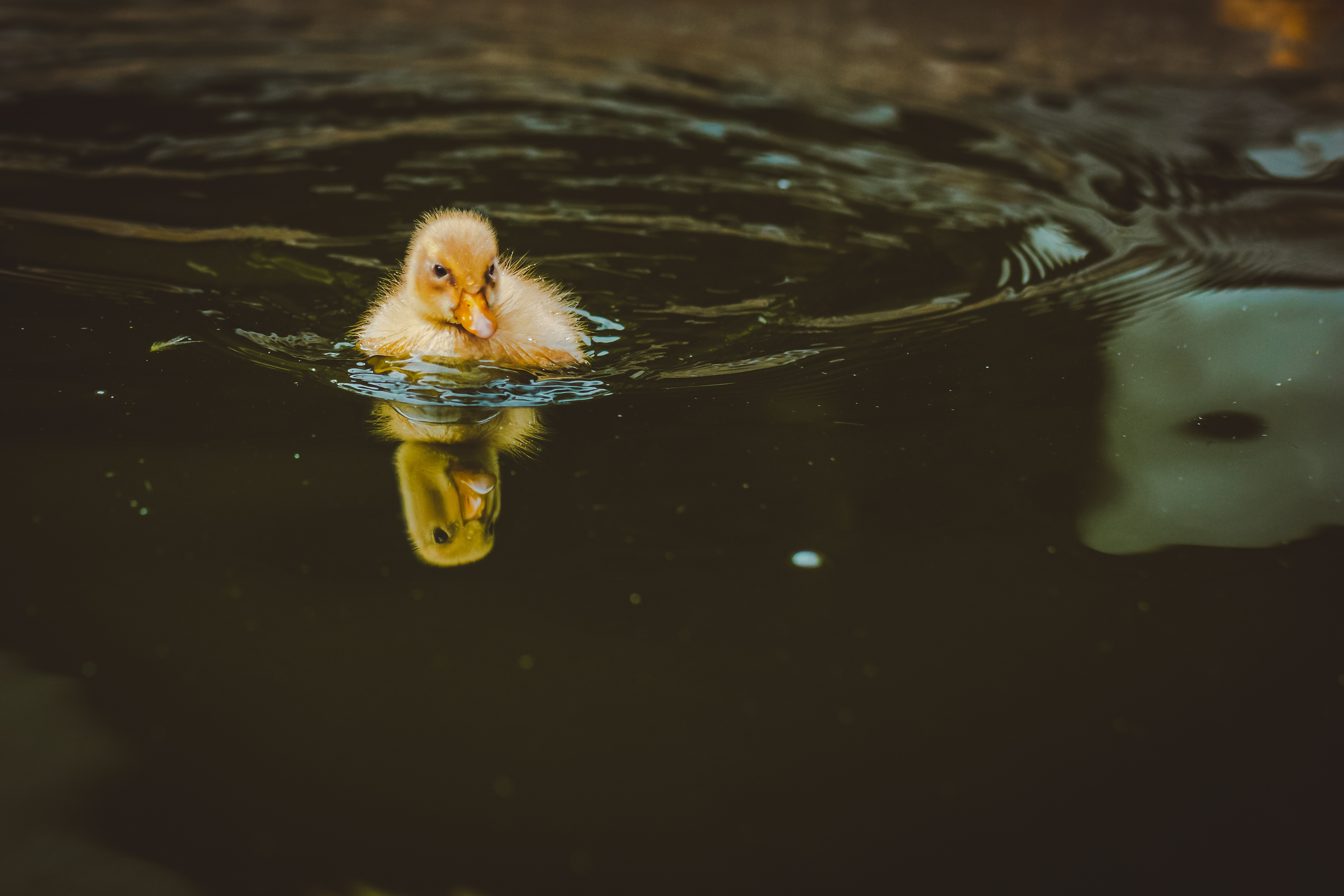
"We booked Anita and Patrício's place last minute after a flight cancellations. We were really attracted by the idea of being on a farm with lovely animals, not being far from the airport, as well as all the amenities. They were incredibly accommodating - coming to meet us at late notice and making us feel right at home, as well as responding to our changeable departure time. We were greeted with fresh eggs and pineapples, plus we were invited to be part of the goat feeding. The animals are absolutely gorgeous and we were privileged to have ducklings wandering around outside. When we were blessed with good weather, it was so relaxing to sit outside and listen to the birds. The views are stunning. We just wished we could have stayed longer."
"We loved staying in this house on São Miguel Island. It was exactly the kind of place we had hoped to find and made our time on the island very special.
Being part of a real Azorean pineapple quinta gives the property a unique atmosphere. The beautiful garden, lush greenery, and animals create a wonderful feeling of being close to nature while still being close to everything you need. For children from the city, feeding the goats and seeing turkeys and other birds is a particularly delightful experience.
The location is excellent — right in the middle of the island, making it very convenient for exploring both the eastern and western parts of São Miguel. The house is spacious, cosy, and very well equipped. We especially loved the terrace and the beautiful garden view with a partial ocean view.
Anita and Patrício are wonderful hosts — warm, welcoming, and attentive. They greeted us personally, showed us around the house, and treated us to delicious goodies from their farm."
"A dream stay! Such a unique experience. Anita and Patricio were absolutely AMAZING! They were so kind and helpful - even coming out to find my daughter's favorite goat in a light rain before we checked out so she could say goodbye. The house was beautiful, clean, and had everything we needed to cook breakfasts every morning with fresh eggs from their farm! Our kiddos loved feeding the ducks, chickens and hens every morning and winding down in the hot tub every night! Anita & Patricio gave us a tour through their pineapple greenhouses, which was so cool! We also loved the goats and sheep. The kids say feeding them was a highlight of their trip! The location was superb! Just enough out of the city to feel more private behind a secure gate in your own farmstead garden paradise. Pictures were accurate and it was even better than I had hoped for! I plan on recommending to all our friends and I hope we can make a return trip sometime!"
“Quinta do Ananás was everything we imagined. We were greeted with fresh eggs, Azorean pineapple, tomatoes, cucumbers, corn on the cob and pineapple jam all grown on the farm. We enjoyed the goats, sheep, chickens, ducks and turkeys. It is a beautiful place to unwind from an active day of hiking, kayaking, whale watching (which was an incredible experience). The location is perfect. It is centrally located to all of our activities. I would definitely book this again and hope you do the same.”
“We had a truly wonderful stay at Quinta do Ananás. When we arrived, we were greeted with fresh cucumbers, the most delicious tomatoes, fresh eggs, and even homemade pineapple cookies such a thoughtful touch.The house itself is perfect: recently renovated, everything feels new and fresh, it smells amazing, the beds are super comfortable, and there’s air conditioning in the rooms. The views are breathtaking, and the whole property is full of life with sheep, goats, chickens, geese, ducks, and even turkeys. If you’re traveling with kids, they will absolutely love it. I really admire this farm home — it’s a true 5-star experience and I can’t recommend it enough.”
“Our stay was absolutely magical. We wanted an Azorian farm lifestyle experience, not just a place to sleep. Our stay was just that. The property is so peaceful and private with plenty of areas to relax, our stay felt like we were at a retreat. The farmhouse is beautiful, the interior is modern, cozy, and clean. We appreciated the comfortable beds after long days exploring the island. On the days we stayed in we had a fully equipped kitchen that made cooking a pleasure. The Wifi connection was strong, we were able to Zoom with no issues. Waking up surrounded by pineapple greenhouses and ocean views felt peaceful and relaxing. We loved feeding the goats. It was one of the highlights of staying at the property. This property is sheer magic!”
From the moment we arrived, we felt a welcoming and peaceful atmosphere. The place is extremely peaceful, ideal for resting and recharging your batteries. The farm with animals enchanted us; we loved being able to interact with them. The hospitality of our hostess was simply exceptional; she was always attentive, available, and made us feel truly at home. It was a wonderful experience and we highly recommend it. We should have stayed longer!
“My family and I had a very pleasant stay at the pineapple farm. The house was immaculate and very comfortable. Big windows for a lot of natural light inside and a very nice terrace and a huge garden. Our kids loved seeing the animals every day and learning about the farm from the host. The location is also great as a base for exploring the island. Would definitely recommend and would stay there again!”

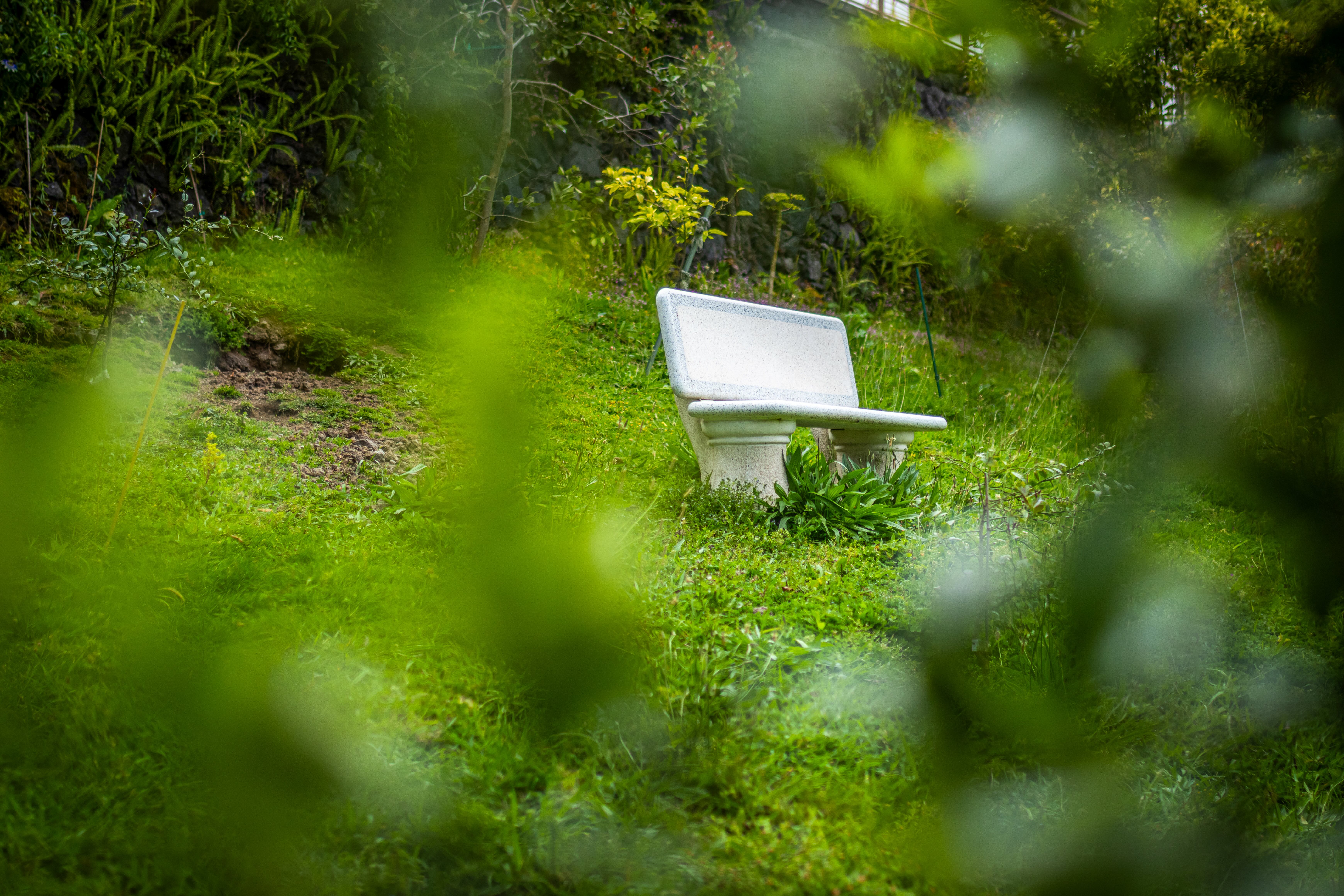

It's three questions, simple: where your land is, what stage you're at, and what you're trying to solve. Anita reads every one herself and replies within two days — and if we're not the right fit for you, she'll say so.